
Marketing advice written for retail gets applied to restaurants constantly, and most of it transfers badly. The mechanics look similar from the outside, but the constraints underneath are not the same.
Seven differences that change what F&B marketing should actually do.
1. Your catchment is measured in minutes
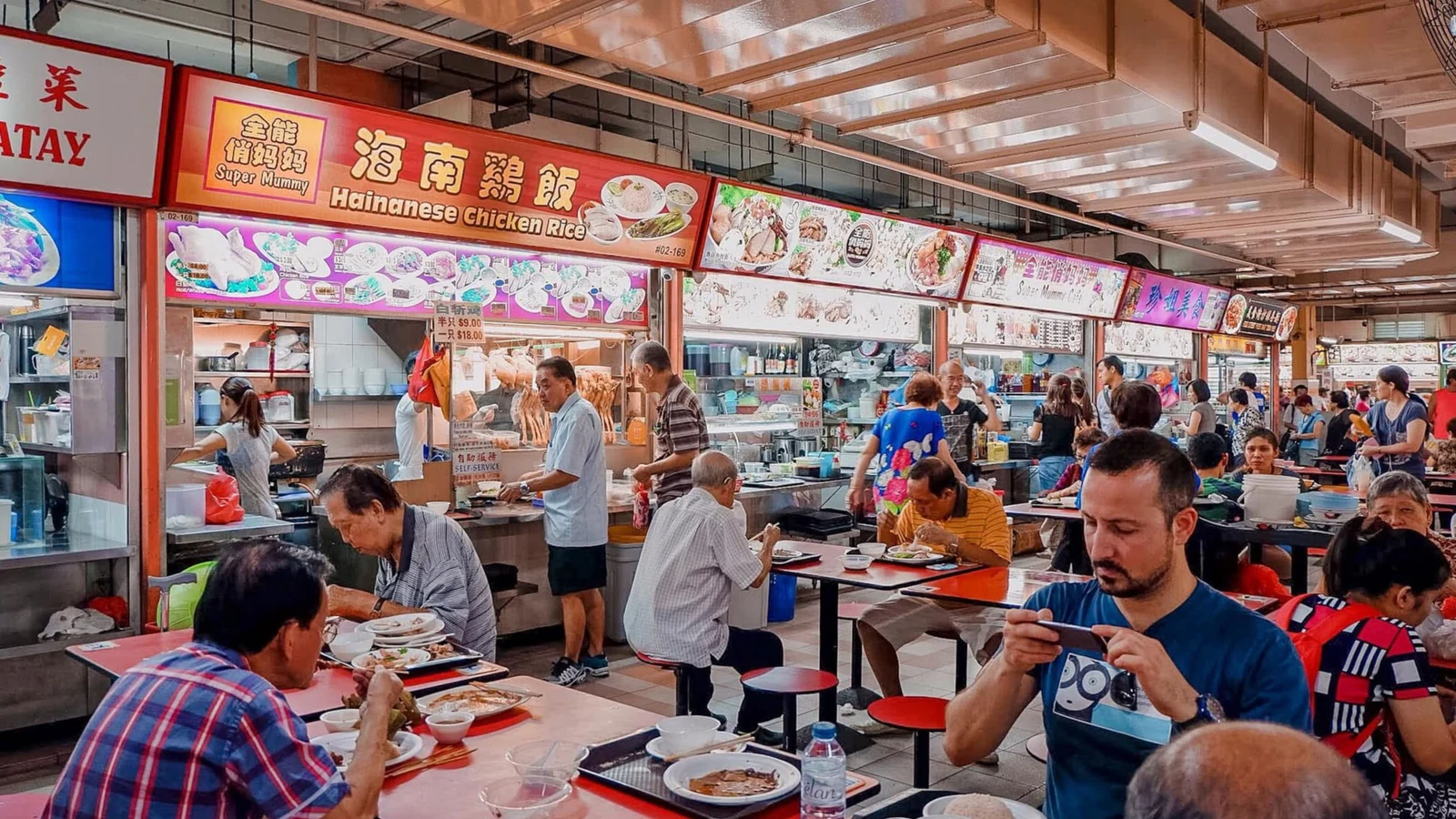
A retailer can sell to anyone willing to order. An outlet sells to people who are already nearby, or willing to travel a short distance for a specific reason. Spending to reach a wider radius is usually spending to reach people who will never come.
2. F&B marketing has to plan around perishable inventory
A campaign that brings a surge next Thursday is useful. One that brings an unpredictable surge is a staffing and wastage problem at the same time. When demand arrives matters as much as how much of it arrives, which is why open-ended promotions tend to cost more than they return.
3. Capacity caps the upside
A full dining room cannot take more customers. Past a point, additional demand converts into queues, slower service and worse reviews rather than revenue, which is why filling quiet periods usually beats amplifying busy ones.
4. Reviews function as the shopfront
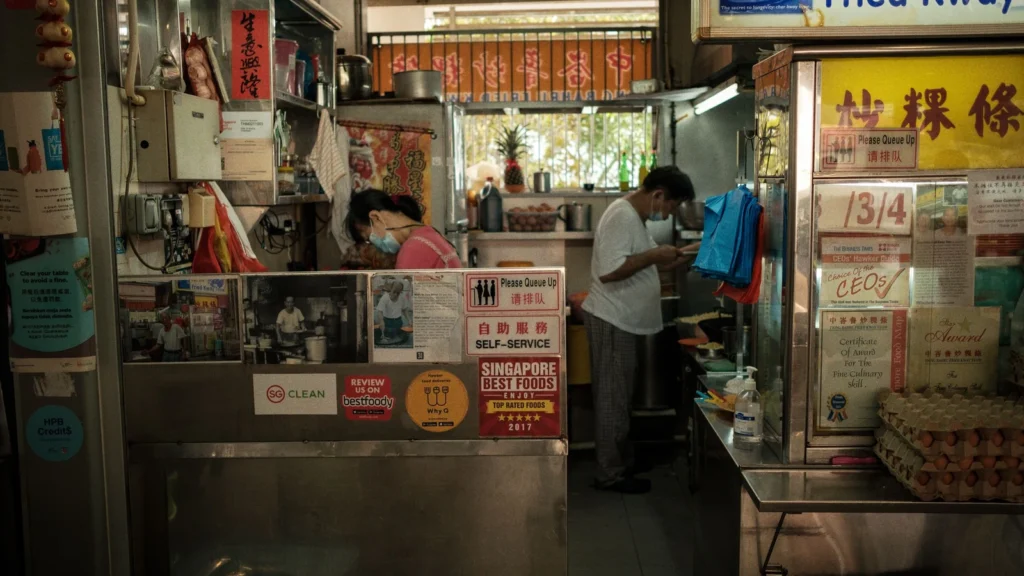
Retail buyers check reviews for the product. Diners check them for the establishment, and a handful of recent ones can outweigh everything else you publish. Reputation is not a side channel here, it is part of the storefront.
5. The product changes with the shift
The same dish varies with who is on the line and how busy the kitchen is. Marketing that promises a precise experience will be judged against the worst version a customer happens to receive, not the one in the photographs.
6. Repeat visits carry the economics
Most outlets do not survive on first visits. They survive on the diner who comes back monthly without thinking about it. That shifts the budget towards being remembered and being easy to return to, rather than constant acquisition.
7. Weather and the calendar move footfall
Rain, school holidays, long weekends and festive periods swing covers in ways that have nothing to do with your marketing. Reading results without that context leads to crediting or blaming campaigns for weeks the weather decided.
Taken together, these are the reasons F&B marketing rewards patience and local knowledge more than scale. The outlet that quietly fills its quiet shifts and keeps its regulars returning is usually in better shape than the one chasing reach. Four Media has built integrated marketing plans for over 160 companies across a range of industries since 2005, scoping the mix of brand, digital, content, events and PR around each business rather than a fixed package. That includes marketing for restaurants and other outlets, where the constraints above shape the plan from the start. If you are applying general marketing advice to an outlet and it is not landing, tell us what you are working on.